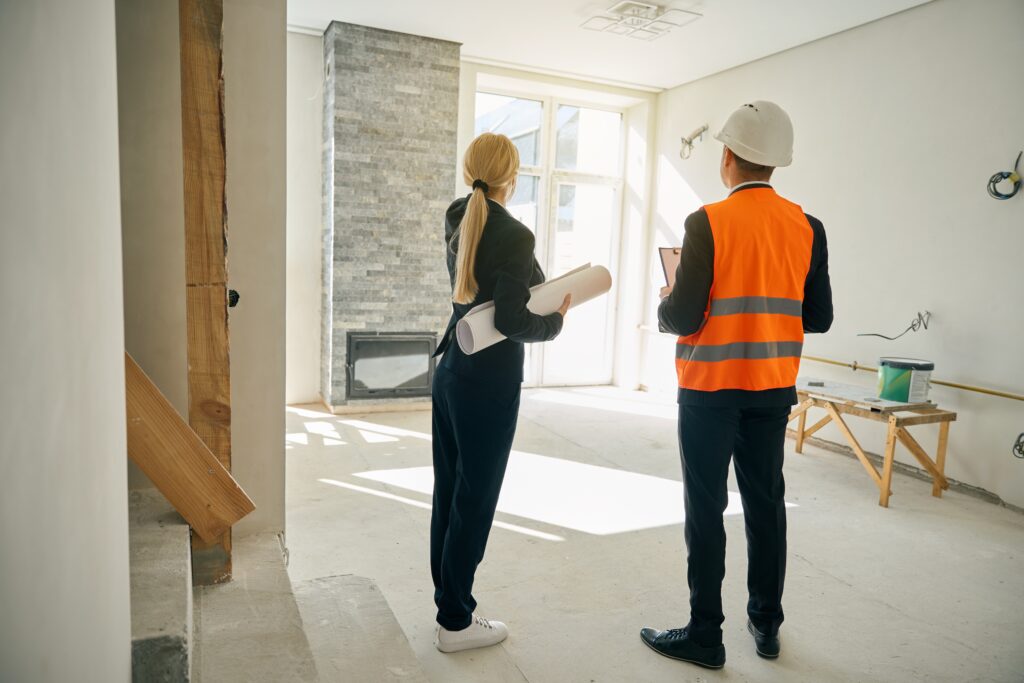
A complete home renovation costs $19,500 to $190,000 for most homes, with the national median around $52,208 for mid-sized projects.
The exact price depends on your home’s size, the project scope, material quality, labor rates in your region, and whether you’re doing a cosmetic refresh or a full structural remodel. Partial renovations targeting specific rooms or systems typically run $10,000 to $65,000 per space.
Understanding renovation costs helps you set realistic budgets, prioritize projects, and make informed decisions about where to invest in your home. This guide breaks down renovation expenses by project type, room, and scope so you can plan your renovation with confidence.
2026 Market Alert: New tariffs on steel, aluminum, copper, and lumber have increased material costs by 8% to 24% compared to 2025. Combined with a persistent skilled labor shortage requiring 349,000 to 439,000 new workers this year, renovation budgets need a 15% to 20% contingency buffer to account for price volatility.
Sources: Cushman & Wakefield, HireQuest 2026 Construction Workforce Outlook
How Much Does a Home Renovation Cost on Average?
Most homeowners spend $60 to $150 per square foot for mid-range renovations, with labor now accounting for 50% to 60% of total budgets.
A minor cosmetic update might cost $25,000 to $60,000, while a complete gut renovation of a 2,000-square-foot house can reach $200,000 to $400,000 or more in high-cost markets. Costs can exceed $400 to $800 per square foot for luxury finishes in major metropolitan areas like Los Angeles, New York, or San Francisco. For a typical 2,000-square-foot home, you’re looking at $50,000 for basic cosmetic updates, $120,000 to $150,000 for a mid-range renovation, or $250,000+ for a high-end remodel.
These ranges include both materials and professional labor. In 2026, labor costs now account for 50% to 60% of your total budget due to ongoing skilled trade shortages and construction wage increases of 6% to 12% annually. Material costs make up 30% to 40%, with permit fees, design services, and project management adding another 10% to 15%.
| Renovation Scope | Cost per Sq Ft | 1,500 Sq Ft Home | 2,500 Sq Ft Home |
|---|---|---|---|
| Cosmetic updates | $60-$80 | $90,000-$120,000 | $150,000-$200,000 |
| Mid-range remodel | $80-$150 | $120,000-$225,000 | $200,000-$375,000 |
| High-end renovation | $150-$300 | $225,000-$450,000 | $375,000-$750,000 |
| Gut renovation | $250-$400+ | $375,000-$600,000+ | $625,000-$1,000,000+ |
Regional labor costs significantly impact these numbers. Metropolitan areas like San Francisco, New York, and Seattle see costs 40% to 60% higher than the national average, while smaller markets in the South and Midwest often come in 15% to 25% below average.
Budget Framework: Successful renovations now allocate 50-60% to labor, 30-40% to materials, and 10-15% to permits, design, and contingencies. The shift toward higher labor allocation reflects the ongoing construction workforce shortage.
Sources: AmeriSave 2026 Renovation Research, Associated Builders and Contractors
How Much Does It Cost to Renovate Each Room?
Kitchen and bathroom renovations cost the most per square foot, while bedrooms and living spaces offer more budget-friendly updates.
Breaking down renovation costs by room helps you understand where your money goes and which projects deliver the most value for your investment.
How Much Does a Kitchen Remodel Cost?
Kitchen remodels cost $30,000 to $65,000 on average for standard projects, with cabinets accounting for 35% to 45% of the total budget.
Minor updates start around $20,000, while complete upscale renovations reach $158,500 or more.
Kitchen Renovation Cost Tiers:
- Minor refresh: $20,000-$35,000 (new cabinet doors, countertops, appliances)
- Mid-range remodel: $30,000-$65,000 (new cabinets, quality countertops, updated appliances, improved lighting)
- Upscale renovation: $130,000-$158,500+ (custom cabinetry, premium countertops, professional-grade appliances, structural changes)
Quality countertops add $4,000 to $15,000, appliances run $6,000 to $20,000, and labor for installation and any plumbing or electrical work makes up the balance. Note that 2026 tariffs of up to 50% on imported cabinets have significantly increased costs for this component.
| Kitchen Component | Budget Range | Mid-Range | High-End |
|---|---|---|---|
| Cabinets | $4,000-$12,000 | $12,000-$30,000 | $30,000-$75,000+ |
| Countertops | $2,000-$4,000 | $4,000-$10,000 | $10,000-$25,000+ |
| Appliances | $3,000-$6,000 | $6,000-$15,000 | $15,000-$40,000+ |
| Flooring | $1,500-$3,500 | $3,500-$7,000 | $7,000-$15,000+ |
| Lighting & Electrical | $1,200-$3,000 | $3,000-$7,000 | $7,000-$18,000+ |
For detailed breakdowns of specific upgrades and their cost impacts, see This Old House’s kitchen remodeling guide.
How Much Does a Bathroom Renovation Cost?
Bathroom renovations cost $8,000 to $45,000 depending on size, with full primary bathroom remodels typically running $16,500 to $45,000.
A small half-bath update might cost $8,000 to $15,000.
Bathroom Renovation Price Guide:
- Basic update: $10,000-$18,000 (new fixtures, vanity, flooring, paint for 40-60 sq ft bathroom)
- Mid-range renovation: $18,000-$35,000 (tile work, upgraded fixtures, improved lighting)
- Mid-range universal design: $40,750 (aging-in-place features, accessibility upgrades)
- Luxury renovation: $78,840-$120,000+ (high-end tile, custom vanities, spa features, major layout changes)
Plumbing work represents the largest cost driver beyond fixtures and finishes. Moving plumbing lines adds $2,000 to $5,000 per fixture, while keeping the existing layout saves substantially. Tile work for floors and shower surrounds runs $10 to $30 per square foot installed, and quality fixtures and vanities add $3,000 to $12,000. Metal fixture costs have increased approximately 16.7% in 2026 due to tariff impacts on steel and aluminum.
Layout Savings Alert: Keeping your bathroom’s existing plumbing layout can save $8,000-$20,000 on a typical renovation. Before moving that toilet or shower, calculate whether the layout change justifies the additional plumbing costs, especially given 2026’s elevated copper prices (+4.9% to +36% year-over-year).
How Much Does It Cost to Renovate a Bedroom?
Primary bedroom renovations cost $12,000 to $50,000, with basic refreshes running $12,000 to $25,000 and structural changes reaching $75,000 or more.
Basic refreshes include new flooring, paint, lighting, and fixtures. More extensive renovations involving closet systems, built-ins, or bathroom additions cost $30,000 to $75,000+.
Common bedroom renovation expenses:
- Flooring installation: $5-$18 per sq ft
- Built-in storage systems: $2,000-$7,000
- Lighting upgrades: $800-$3,500
- Professional painting: $500-$1,200
- Primary bathroom addition: $20,000-$45,000
How Much Does It Cost to Finish a Basement?
Finishing a basement costs $15 to $40 per square foot, putting a typical 1,000-square-foot basement remodel between $15,000 and $40,000.
This range covers drywall, flooring, and simple fixtures. Adding plumbing for a bathroom or wet bar pushes costs to $50,000 to $80,000+, while high-end finishes with home theaters or luxury features can reach $100,000+.
Major basement cost factors:
- Moisture remediation and waterproofing: $3,000-$12,000
- Egress windows (code compliance): $3,000-$6,000 each
- Electrical rough-in and finishing: $3,000-$10,000
- Plumbing for bathroom or wet bar: $5,000-$15,000
- HVAC extension: $2,500-$7,000
Basement finishing offers strong ROI in markets where finished basements are standard, but lower returns in warm climates where basements are rare. Source: National Association of Home Builders
How Much Do Living Room and Dining Room Renovations Cost?
Living and dining room renovations cost $10,000 to $40,000 per room, with less plumbing and electrical work keeping costs lower than kitchens or bathrooms.
Basic cosmetic updates with new flooring, paint, and lighting cost $10,000 to $20,000. More extensive renovations involving built-ins, architectural details, or opening walls run $25,000 to $50,000+.
Flooring represents the largest expense at $5 to $18 per square foot installed. Built-in shelving or entertainment centers add $3,000 to $12,000. Opening walls to create open-concept spaces costs $2,000 to $5,000 per supporting wall, plus additional expenses for beam installation.
What Do Different Renovation Projects Cost?
Whole-home systems and structural projects often exceed room-specific renovations in both cost and complexity.
Beyond room-specific renovations, these projects significantly impact your renovation budget.
How Much Do Structural Renovations Cost?
Structural renovations cost $3,000 to $20,000 for foundation repairs, $2,500 to $12,000 per load-bearing wall, and $10,000 to $65,000 for roofing.
Structural work involves the bones of your home and typically requires engineering plans and permits. Replacing support beams runs $4,000 to $12,000 per beam.
Major structural project costs:
- Roof replacement (asphalt shingles): $10,000-$30,000
- Premium roofing (metal, slate): $20,000-$65,000+
- New siding installation: $12,000-$35,000
- Foundation crack repair: $800-$4,000
- Foundation underpinning: $15,000-$40,000+
Engineering Required: Any structural modification to load-bearing elements requires professional engineering and permits. Skipping this step voids insurance and creates liability during home sales.
How Much Does It Cost to Upgrade Electrical Systems?
Electrical system upgrades cost $3,000 to $20,000 for whole-home projects, with panel upgrades running $2,000 to $5,000.
Rewiring a home costs $4 to $10 per square foot, putting a 2,000-square-foot home at $8,000 to $20,000 for complete rewiring. Note that copper and wiring costs are approximately 7% higher than 2025 due to massive global demand for data centers and EV infrastructure.
| Electrical Upgrade | Typical Cost |
|---|---|
| Panel upgrade (100A to 200A) | $2,000-$5,000 |
| New circuit addition | $600-$1,800 |
| Recessed lighting (per fixture) | $250-$600 |
| Whole-home rewire (per sq ft) | $4-$10 |
| Smart home system | $2,000-$10,000 |
| GFCI/AFCI upgrades | $50-$125 per outlet |
Individual circuit additions cost $600 to $1,800 per circuit. Adding recessed lighting runs $250 to $600 per fixture installed. Smart home wiring and automation systems add $2,000 to $10,000 depending on complexity. The National Electrical Code updates every three years, so older homes often need updates during renovations.
How Much Does Plumbing Work Cost?
Plumbing renovations range from $2,000 for simple fixture updates to $20,000 or more for whole-home repiping.
Replacing old galvanized or polybutylene pipes with copper or PEX costs $6,000 to $20,000 for most homes. Water heater replacement runs $1,500 to $4,500 depending on type and capacity.
Key plumbing renovation costs:
- Whole-home repiping (copper): $12,000-$20,000
- Whole-home repiping (PEX): $6,000-$14,000
- Moving a fixture: $2,000-$5,000
- Adding a new bathroom (plumbing only): $10,000-$18,000
- Water heater replacement: $1,500-$4,500
- Sewer line replacement: $4,000-$12,000
Moving plumbing fixtures costs $2,000 to $5,000 per fixture due to the need to reroute drain lines and water supply. Adding a new bathroom requires $10,000 to $18,000 in plumbing work alone before fixtures and finishes.
How Much Does HVAC Replacement Cost?
HVAC replacement costs $7,000 to $20,000 for most homes, with complete system replacement ranging from $10,000 to $25,000.
A new furnace runs $4,000 to $9,000, while central air conditioning costs $4,500 to $10,000.
| HVAC Component | Replacement Cost |
|---|---|
| Gas furnace | $4,000-$9,000 |
| Central AC unit | $4,500-$10,000 |
| Complete system | $10,000-$25,000 |
| Ductwork replacement | $3,500-$10,000 |
| Zone control system | $2,500-$6,000 |
| Heat pump system | $8,000-$20,000 |
Ductwork replacement or major repairs add $3,500 to $10,000. Zone control systems cost $2,500 to $6,000 to add to existing systems. High-efficiency systems cost 20% to 40% more upfront but offer lower operating costs and better comfort. Energy Star ratings help identify efficient models that qualify for tax credits.
2026 Energy ROI Shift: 19% of all renovations this year are driven by utility cost-savings rather than aesthetics. Energy-efficient upgrades like heat pumps, low-E windows, and attic insulation now deliver higher ROI than many cosmetic improvements due to rising utility costs.
How Much Does New Flooring Cost?
Flooring costs range from $4 to $50 per square foot installed, with mid-range options like vinyl plank and laminate offering the best value.
The table below shows installed costs per square foot for common flooring types:
| Flooring Type | Installed Cost per Sq Ft | 1,500 Sq Ft Total |
|---|---|---|
| Carpet | $4-$10 | $6,000-$15,000 |
| Vinyl plank | $6-$15 | $9,000-$22,500 |
| Laminate | $7-$14 | $10,500-$21,000 |
| Engineered hardwood | $10-$22 | $15,000-$33,000 |
| Solid hardwood | $12-$30 | $18,000-$45,000 |
| Tile (ceramic/porcelain) | $12-$30 | $18,000-$45,000 |
| Natural stone | $20-$50 | $30,000-$75,000 |
Removing old flooring adds $1.50 to $4 per square foot. Subfloor repairs or replacement cost $3 to $9 per square foot. For a 1,500-square-foot home, expect to pay $6,000 to $15,000 for mid-range vinyl or carpet, $15,000 to $45,000 for hardwood, or $18,000 to $45,000 for tile throughout.
Durability Consideration: Luxury vinyl plank offers 80-90% of hardwood’s aesthetic appeal at 40-50% of the cost, with superior water resistance and easier maintenance. Consider traffic patterns and moisture exposure when selecting materials.
How Much Does Window Replacement Cost?
Window replacement costs $500 to $1,500 per window for standard vinyl, with wood or fiberglass windows running $1,000 to $2,500 or more each.
Replacing 15 windows in an average home costs $7,500 to $22,500 for vinyl or $15,000 to $37,500+ for premium materials.
Window and door replacement costs:
- Vinyl replacement windows: $500-$1,000 per window
- Wood windows: $1,000-$1,800 per window
- Fiberglass windows: $900-$1,500 per window
- Exterior door replacement: $1,000-$4,000 installed
- Interior door replacement: $300-$800 installed
- Patio door replacement: $2,000-$6,500 installed
Exterior door replacement runs $1,000 to $4,000 per door installed, with premium materials and advanced security features reaching $6,000+. Interior door replacement costs $300 to $800 per door including hardware and installation.
What Factors Affect Renovation Costs?
Project scope, material quality, labor rates, home size, permit requirements, and existing condition are the six main factors affecting renovation costs.
Understanding these factors helps you set realistic budgets and make informed tradeoffs.
How Does Project Scope Affect Cost?
Project scope drives costs more than any other factor, with complex projects often exceeding initial estimates by 15% to 35%.
Minor cosmetic updates like paint and flooring cost far less than structural work, moving plumbing, or extensive electrical upgrades. Each time you open walls, move plumbing, or change structural elements, you add layers of complexity that require skilled labor, permits, and inspections.
Simple projects like painting, new flooring, or fixture updates stay on budget predictably. Complex projects involving structural changes, system relocations, or custom work often exceed initial estimates due to unforeseen issues and 2026’s volatile material pricing.
How Do Material Costs and Tariffs Affect Renovation Budgets?
2026 tariffs have increased material costs 8% to 36% depending on the material, with steel, aluminum, and copper facing 50% tariffs.
Material quality creates significant price spreads, and 2026 tariffs have amplified these differences. Budget-grade materials might cost half as much as premium alternatives, but they often wear faster and look less refined. Mid-grade materials typically offer the best balance of cost, durability, and appearance for most homeowners.
2026 Tariff Impacts on Building Materials:
- Steel: 50% tariff (+13% net price increase; affects structural components, HVAC)
- Aluminum: 50% tariff (+23% net price increase; affects windows, doors, fixtures)
- Copper: Up to 50% on semi-finished derivatives (+4.9% to +36% net price increase; affects plumbing, electrical)
- Lumber: +20-40% price increase (supply constraints, production capacity)
- Imported Cabinets: 50% tariff as of January 1, 2026
Effective tariff rates have reached a 40-year high of 25% to 30%, creating sustained pressure on construction supply chains. Source: Deloitte 2026 Engineering and Construction Industry Outlook
How Do Labor Rates Vary?
Labor rates vary 40% to 60% between metropolitan and rural markets, with skilled trades commanding $90 to $150 per hour.
Highly skilled specialists command premium rates but often complete work faster and with better results. Getting multiple bids helps you understand local market rates and contractor value.
Expect to pay $50-$90 per hour for general labor, $90-$150 per hour for skilled trades like electricians and plumbers, and $125-$250+ per hour for specialized craftspeople. Licensed contractors include overhead, insurance, and profit margins in their rates.
The 2026 labor shortage is driving costs higher. The industry requires 349,000 to 439,000 new workers this year, meaning labor costs are rising at 6% to 12% annually—double the rate of standard inflation in many metropolitan areas. Sources: HireQuest 2026 Construction Workforce Forecast, Associated Builders and Contractors
How Does Home Size Affect Renovation Costs?
Home size directly impacts costs since materials and labor scale with square footage, with a 1,200-square-foot home costing $72,000-$180,000 for mid-range renovation versus $180,000-$450,000 for a 3,000-square-foot home.
Complex layouts with many corners, angles, or levels cost more to renovate than simple rectangular spaces. Older homes often hide issues that add unexpected costs once walls open up.
How Much Do Permits Cost?
Building permits cost $500 to $2,000 for major renovations, and unpermitted work can reduce home value by 10% to 20% when selling.
Permit requirements add both direct fees and indirect costs for inspections and compliance. Common permit fees include $200-$1,500 for structural work and $50-$500 for electrical or plumbing. Source: Rocket Mortgage Renovation Guide
How Does Existing Condition Affect Costs?
Homes with hidden issues like foundation problems, old wiring, or failing systems require substantial investment before cosmetic improvements make sense.
Getting a pre-renovation inspection costs $400 to $800 but helps identify hidden issues early. Homes with good bones need less structural work, while properties with foundation issues require addressing those first.
How Do Renovation Costs Vary by Home Age?
Older homes cost 25% to 45% more to renovate due to outdated systems, code compliance requirements, and hidden issues discovered during construction.
Homes built before 1978 may contain lead paint or asbestos, requiring specialized abatement that adds $3,000 to $20,000+ to renovation costs.
Age-based renovation considerations:
- Pre-1950 homes: Expect 25-45% higher costs due to outdated systems, plaster walls, knob-and-tube wiring
- 1950-1980 homes: Moderate additional costs for system updates and potential asbestos/lead abatement
- 1980-2000 homes: Near-average costs with occasional polybutylene plumbing or electrical panel issues
- Post-2000 homes: Below-average costs, systems still relatively current
Victorian and historic homes with intricate details cost 25% to 45% more to renovate properly, especially if you’re matching original craftsmanship or working within historic preservation guidelines. Ranch homes and simple floor plans typically cost less to renovate due to straightforward layouts and easier access to plumbing and electrical systems.
Multi-story homes add costs for scaffolding, safety equipment, and the logistics of moving materials between floors. Single-story homes generally cost less per square foot to renovate since everything stays on one level.
Is DIY Renovation Worth It?
DIY renovation saves 40% to 60% on labor for cosmetic projects like painting and flooring, but electrical, plumbing, and structural work requires professionals.
Skilled DIY work can save significantly for cosmetic projects, but DIY rarely makes sense for work that requires permits and specialized knowledge.
Good DIY projects:
- Interior painting
- Flooring installation (floating floors)
- Fixture replacement (lights, faucets)
- Demolition and debris removal
- Cabinet hardware updates
- Basic landscaping
Projects requiring professionals:
- Electrical work beyond simple fixtures
- Plumbing beyond fixture swaps
- Structural modifications
- HVAC installation or repair
- Roof work
- Foundation repairs
Professional contractors deliver faster completion, better quality, proper permits and insurance, and warranty protection. Their relationships with suppliers often yield better material pricing than homeowners can access. The labor premium pays for expertise that avoids costly mistakes and code violations.
A realistic approach combines DIY demolition and preparation work with professional installation for technical systems. You might save $8,000 to $20,000 on a $75,000 renovation by doing your own demo, painting, and simple finish work while hiring pros for the skilled trades.
DIY Risk Assessment: Before tackling DIY work, honestly assess three factors: (1) Do you have the skills and tools? (2) Can you complete the work safely? (3) Will DIY save money after accounting for your time and potential mistakes? If the answer to any question is no, hire a professional.
How Do Renovation Costs Vary by Region?
Renovation costs run 40% to 60% higher in coastal cities like San Francisco and New York, while the Midwest and South come in 15% to 25% below average.
Geographic location creates dramatic cost differences for identical renovation projects. The same kitchen remodel that costs $50,000 in the Midwest might run $80,000 to $100,000 in coastal cities.
Regional cost multipliers (vs national average):
| Region | Cost Variation |
|---|---|
| San Francisco Bay Area | +50% to +70% |
| New York City metro | +45% to +60% |
| Los Angeles | +40% to +55% |
| Seattle/Portland | +30% to +45% |
| Boston/DC | +25% to +40% |
| Denver/Austin | +10% to +20% |
| Atlanta/Charlotte | 0% to +10% |
| Phoenix/Dallas | -5% to +5% |
| Midwest/South | -15% to -5% |
High-cost regions include San Francisco, New York City, Los Angeles, Seattle, Boston, and Washington DC, where labor rates run 40% to 60% above national averages. Mid-range markets like Denver, Austin, and Minneapolis see costs near national averages. Lower-cost regions including much of the South, Midwest, and rural areas see labor rates 15% to 25% below national averages.
Material costs vary less than labor since most products ship nationally, though local building codes sometimes require specific materials that cost more. Transportation adds costs in remote areas where contractors must travel farther and suppliers charge more for delivery.
How Can You Save Money on Renovations?
Strategic timing, preserving existing layouts, and controlling scope creep can reduce renovation costs by $15,000 to $30,000 on major projects.
Smart planning and strategic choices can reduce renovation costs significantly without sacrificing quality.
When Is the Best Time to Renovate?
Contractors often offer 10% to 20% lower rates during late fall and winter slow seasons.
Planning projects for these periods can yield significant savings, though weather may delay outdoor work. Scheduling all permits and inspections efficiently keeps projects moving and minimizes costly delays.
How Much Does Preserving the Layout Save?
Keeping existing layouts eliminates the need to move plumbing and electrical, saving $8,000 to $25,000 on major renovations.
Work with your home’s footprint rather than against it whenever possible. An efficient layout in the existing location often works better than a poorly planned reconfiguration.
Where Should You Splurge vs Save?
Prioritize spending on high-impact elements like countertops, bathroom fixtures, and main-area flooring while saving on easily upgraded items.
Prioritize spending on high-impact elements:
- Splurge: Kitchen countertops, bathroom fixtures, flooring in main areas
- Save: Hardware, paint colors, lighting fixtures (easy to upgrade later)
- Balance: Cabinets, tile, appliances (mid-grade performs well)
Mid-grade materials often perform 90% as well as premium options at 60% of the cost. Remnant stone, closeout tiles, and previous-year models offer quality materials at significant discounts.
2026 Tip: Domestic-manufactured cabinets and fixtures can sometimes cost less than imports due to tariff avoidance. Ask your contractor about American-made alternatives.
How Do You Prevent Scope Creep?
Change orders cost 25% to 45% more than planned work in 2026’s tight labor market, making a detailed scope of work essential before starting.
Resist the temptation to add projects mid-renovation. Create a wish list of extras to tackle only if you finish under budget. A clear, detailed scope of work before starting saves thousands in change orders and delays.
How Much Can DIY Demo and Prep Save?
Doing demo and prep work yourself saves $40 to $90 per hour in labor costs if you have the time and ability.
Removing old fixtures, pulling up flooring, and clearing work areas costs contractors $40 to $90 per hour that you can eliminate. Be realistic about your abilities and timeline since DIY delays frustrate contractors and cost money through scheduling conflicts.
How Many Bids Should You Get?
Getting three to five bids from licensed, insured contractors reveals market rates and helps identify unusually high or suspiciously low quotes.
The lowest bid isn’t always the best value, but competitive bidding prevents overpaying.
Bidding Strategy: Request itemized bids that break down costs by labor, materials, and specific tasks. This allows you to adjust scope strategically and compare contractors fairly. Beware of bids more than 20% below average as they often indicate hidden costs or corner-cutting.
What Are the Hidden Costs of Renovation?
Hidden costs including structural surprises, code compliance, and temporary housing add 15% to 20% to most renovation budgets.
Every renovation uncovers surprises that add costs. Plan for these common issues to avoid budget shortfalls.
What Structural Surprises Should You Budget For?
Structural surprises like dry rot, termite damage, and foundation issues typically add $1,500 to $20,000 in unexpected repairs.
Budget 15% to 20% of your renovation cost for unexpected structural repairs—a higher contingency than previous years due to 2026’s material price volatility.
Common hidden issues:
- Dry rot in walls or floors: $1,500-$7,000
- Termite damage repair: $2,000-$10,000
- Inadequate structural support: $3,000-$15,000
- Foundation settling: $5,000-$20,000
- Mold remediation: $2,000-$8,000
What Code Compliance Costs Should You Expect?
Code compliance updates for electrical, plumbing, or HVAC systems add costs not apparent in original plans.
Bringing systems to current code often accompanies major renovations. Upgrading a panel, adding GFCI outlets, or improving ventilation protects your home but costs extra.
How Much Does Temporary Housing Cost During Renovation?
Temporary housing costs $2,000 to $5,000 per month plus storage fees, with whole-home renovations requiring three to six months of accommodations.
Living on-site during major work proves impractical once contractors remove kitchens or bathrooms. Factor in temporary housing for extended projects.
How Do Delays Affect Costs?
Permit delays, inspection failures, and material shortages can add contractor downtime charges of $750 to $2,000 per day.
Even with experienced contractors, inspections sometimes require corrections that take time and money. Building departments in busy markets may schedule inspections weeks out, delaying your project and extending contractor timelines.
Material delays remain common in 2026 due to tariff-related supply chain adjustments. Having buffer time and flexibility in your schedule prevents expensive contractor downtime charges.
How Do You Finance a Home Renovation?
Home equity loans and HELOCs at 6% to 11% interest are the most common renovation financing, with over half of 2026 renovations using equity financing.
Most homeowners use multiple funding sources for major renovations. Understanding your options helps you structure financing efficiently. Source: Porch Group 2026 Research
What Are the Best Renovation Financing Options?
Home equity loans offer fixed rates around 8-9%, HELOCs provide flexible access at 7-11%, and personal loans work for smaller projects at 7-12%.
| Financing Option | Typical Rate | Loan Amount | Term | Best For |
|---|---|---|---|---|
| Home equity loan | 8-9% (avg) | Up to 85% LTV | 5-30 years | Fixed, predictable costs |
| HELOC | 7-11% | Up to 85% LTV | 10-20 years | Flexible, ongoing projects |
| Cash-out refi | 6-9% | Up to 80% LTV | 15-30 years | Low existing rate |
| Personal loan | 7-12% | $1,000-$50,000 | 2-7 years | Small projects, fast approval |
| 0% APR credit card | 0-26% | $5,000-$25,000 | 12-21 months | Short-term, promotional |
You’ll need adequate equity (typically 15% to 20% remaining after the loan) and good credit to qualify. Bankrate’s home equity calculator helps estimate your available borrowing capacity.
When Does Cash-Out Refinancing Make Sense?
Cash-out refinancing makes sense when current rates compete with or beat your existing mortgage rate, minus 2% to 5% closing costs.
This replaces your mortgage with a new, larger loan, pulling equity out for renovations. Closing costs of 2% to 5% of the loan amount factor into the decision.
What Are the Pros and Cons of Personal Loans for Renovation?
Personal loans provide $1,000 to $50,000 at 7% to 12% interest with fast approval, but without putting your home at risk.
Loan amounts usually cap at $50,000, making them suitable for smaller projects. Approval is faster than home equity loans, often within days.
Should You Use Credit Cards for Renovation?
Credit cards work for small projects under $10,000, with 0% APR offers providing 12 to 21 months interest-free if you pay the balance during the promotional period.
Credit cards carry high interest rates (16% to 26%) that make them expensive for larger renovations. Introductory 0% APR offers provide interest-free financing only if you can pay off the balance during the promotional period.
What Government Renovation Programs Are Available?
FHA 203(k) loans and VA renovation loans allow you to finance both purchase and renovation costs in a single mortgage.
These work well when buying a fixer-upper but require approved contractors and extensive documentation.
Contractor financing sometimes offers promotional rates or deferred interest but deserves careful scrutiny. High approval rates often mean elevated interest rates after promotional periods end. Compare contractor financing against bank rates before accepting.
How Do You Get Accurate Renovation Estimates?
Request itemized estimates from at least three licensed contractors, with detailed breakdowns by labor, materials, permits, and timeline.
Quality estimates break down costs by labor, materials, and specific tasks rather than providing single lump sums.
How Many Estimates Should You Get?
Get estimates from at least three contractors after they’ve visited your home and reviewed your plans.
Walk through the project together, discussing your priorities, must-haves, and budget parameters. Detailed conversations up front prevent costly misunderstandings later.
What Should a Good Estimate Include?
Good estimates include itemized costs, material specifications, labor breakdown, permits, payment schedule, timeline, and warranty information.
Good estimates include:
- Itemized costs for demolition, framing, electrical, plumbing, drywall, flooring, fixtures, finishes
- Material specifications with brands and models
- Labor breakdown by task
- Permits, inspections, waste disposal, cleanup
- Payment schedule tied to milestones
- Project timeline with start and completion dates
- Warranty information
- Material escalation clauses (increasingly common in 2026)
Vague estimates that lump everything together make it impossible to adjust scope or verify fair pricing. Be wary of contractors who provide verbal estimates or refuse to itemize costs.
How Do You Verify Contractor Credentials?
Verify licenses through your state’s contractor licensing board and request certificates showing general liability ($1M+) and workers’ compensation insurance.
Licensed, bonded, and insured contractors cost more than unlicensed workers but provide crucial protections.
Essential contractor checks:
- State contractor license verification
- General liability insurance ($1M+ coverage)
- Workers’ compensation insurance
- Business registration and tax compliance
- Better Business Bureau rating
- Online reviews across multiple platforms
Why Should You Contact References?
Three to five references from recent, similar projects reveal how contractors handle challenges, communicate, and manage budgets.
Ask past clients about unexpected costs, change orders, and whether the contractor completed work on time and on budget.
Questions to ask references:
- Did the project finish on time and on budget?
- How did the contractor handle unexpected issues?
- Was communication clear and responsive?
- Would you hire this contractor again?
- Were there any disputes? How were they resolved?
Which Renovations Have the Best ROI?
Garage door replacement delivers the highest renovation ROI at 193.9%, followed by steel entry doors at 188.1% and manufactured stone veneer at 153.2%.
Different renovation projects return different percentages of their cost at resale. Understanding ROI helps you invest strategically, especially if you plan to sell within five years. 2026 data shows significant shifts toward exterior improvements and energy efficiency.
| Project Type | Average Cost | Typical ROI | Value Recouped |
|---|---|---|---|
| Garage door replacement | $4,500 | 193.9% | $8,726 |
| Entry door replacement (steel) | $2,400 | 188.1% | $4,514 |
| Manufactured stone veneer | $11,000 | 153.2% | $16,852 |
| Minor kitchen remodel | $30,000 | 96-113% | $28,800-$33,900 |
| Siding replacement | $22,000 | 95% | $20,900 |
| Window replacement | $22,000 | 67-75% | $14,740-$16,500 |
| Major kitchen remodel | $85,000 | 50-65% | $42,500-$55,250 |
| Bathroom remodel (mid-range) | $28,000 | 65-75% | $18,200-$21,000 |
| Bathroom remodel (upscale) | $78,840 | 38-45% | $29,959-$35,478 |
| Bathroom addition | $60,000 | 55-70% | $33,000-$42,000 |
| Deck addition (wood) | $18,000 | 60-80% | $10,800-$14,400 |
Highest-ROI improvements in 2026:
- Garage door replacement: 193.9% ROI
- Entry door replacement (steel): 188.1% ROI
- Manufactured stone veneer: 153.2% ROI
- Minor kitchen remodels: 96-113% ROI
Lower-return improvements:
- Swimming pools: 30-50% ROI
- High-end luxury upgrades: 40-60% ROI
- Ultra-personalized features: 20-40% ROI
- Elaborate landscaping: 50-70% ROI
2026 ROI Shift: Exterior projects and energy-efficient upgrades now dominate top ROI rankings. Projects like garage doors, entry doors, and HVAC upgrades deliver returns exceeding 100% because buyers prioritize “move-in ready” and energy-efficient homes. Interior luxury upgrades deliver diminishing returns compared to practical improvements.
Energy Efficiency ROI: Heat pumps, low-E windows, and attic insulation increasingly recoup more value than cosmetic upgrades as utility costs rise. Consider energy improvements when planning renovations, especially if you’ll be in the home for 5+ years to capture operating savings.
Do You Need Permits for Home Renovation?
Most structural, electrical, plumbing, and HVAC work requires building permits, which cost $500 to $2,000 and ensure work meets safety codes.
Major renovations require building permits to ensure work meets safety codes and local standards. Permit requirements vary by location and project type.
How Much Do Building Permits Cost?
Permit costs typically run $500 to $2,000 depending on project scope, with common fees including $200-$1,500 for structural work and $50-$500 for electrical or plumbing.
While permits add direct costs and inspection delays, they protect you by ensuring work meets code and preventing problems when you sell.
Common permit requirements:
- Structural modifications: $200-$1,500
- Electrical work: $50-$500
- Plumbing work: $50-$500
- HVAC installation: $50-$400
- Roofing replacement: $100-$500
- Deck or patio construction: $150-$800
What Are the Consequences of Unpermitted Work?
Unpermitted work can delay home sales, void insurance claims, trigger fines, and reduce home value by 10% to 20%.
Skipping required permits creates serious issues:
- Home sales delays or failures (lenders require permit verification)
- Insurance claim denials for unpermitted work
- Fines and forced removal of work
- Liability for injuries or damages
- Reduced home value (10-20% discount common)
Unpermitted work can delay or prevent home sales since lenders won’t approve mortgages on properties with unpermitted major improvements. Your insurance might deny claims related to unpermitted work. You may face fines and be required to remove or redo work to obtain permits retroactively.
Why Is Code Compliance Worth the Cost?
Code compliance protects your home with AFCI and GFCI electrical protection, proper drainage and venting, and structural safety for earthquakes, wind, and snow.
Modern electrical codes with AFCI and GFCI protection prevent fires and shocks. Updated plumbing codes ensure proper drainage and venting. Structural codes protect your home during earthquakes, high winds, or heavy snow loads.
Working with licensed contractors who pull permits and schedule inspections streamlines the process. They understand local codes, maintain relationships with inspectors, and know how to navigate the approval process efficiently. The slight premium for working with licensed pros pays dividends in peace of mind and legal protection.
Conclusion
Home renovation costs have increased significantly in 2026 due to new tariffs on essential building materials and a persistent skilled labor shortage. Most homeowners invest $50,000 to $150,000 in renovations, with costs scaling based on home size, project complexity, and regional labor rates.
Key takeaways for successful 2026 renovations:
- Budget 15-20% contingency for material price volatility and unexpected issues
- Expect labor to comprise 50-60% of your total budget due to workforce shortages
- Get multiple estimates from licensed contractors with itemized pricing
- Consider energy-efficient upgrades, which now deliver some of the highest ROI
- Ask about domestic-manufactured materials to potentially avoid tariff premiums
- Factor in potential Fed rate cuts when timing home equity financing decisions
The right renovation investment depends on your specific situation, goals, and budget. Whether you’re updating a single room or renovating your entire home, understanding current market conditions helps you make confident decisions and avoid budget overruns.
Ready to start your renovation project? Connect with experienced contractors in your area who can provide detailed estimates and guide you through the process from planning to completion.